Advertisement Slot · This space is reserved for AdSense integration
Preview only — no real AdSense code is present
Seasonal Home Maintenance Checklist
Annual maintenance tasks organized by season to protect your home investment, catch problems early, and avoid expensive repairs. Print this checklist or save it to your calendar.
Home MaintenanceChecklistSeasonal
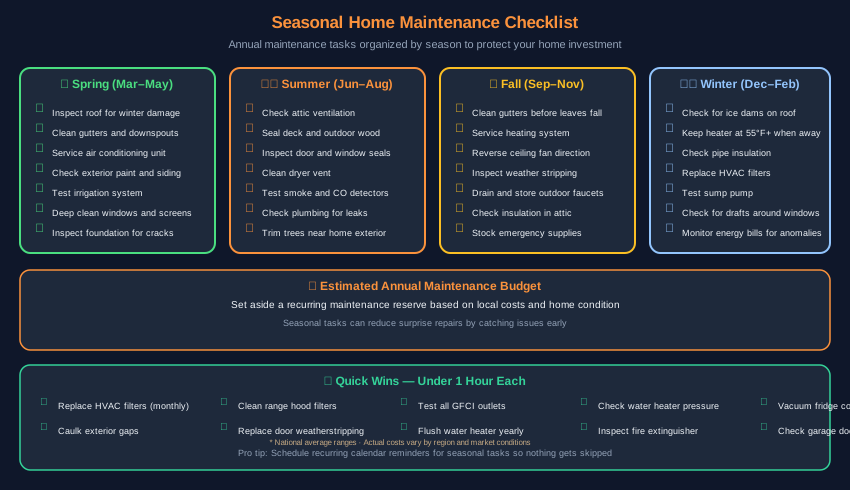
Figure S-011-A10: Seasonal home maintenance checklist — tasks organized by spring, summer, fall, and winter, plus quick wins under 1 hour each
The Big Picture
Seasonal maintenance prevents small problems from becoming expensive emergencies. A cracked roof tile becomes a ceiling stain. A clogged gutter becomes a foundation problem. A worn HVAC filter increases your energy bill every month it is forgotten.
The cost of preventive maintenance is always less than the cost of reactive repairs. Industry data from home inspection and warranty companies consistently indicates that homeowners who follow a seasonal maintenance routine spend significantly less on emergency repairs and extend the lifespan of major home systems — HVAC, roofing, plumbing, and structural components — compared to those who react only when problems occur.
🌸 Spring
March – May
Inspect winter damage. Prep for summer heat.
☀️ Summer
June – August
Heat stress checks. Outdoor living prep.
🍂 Fall
September – November
Prepare for cold. Heating system prep.
❄️ Winter
December – February
Cold weather protection. Emergency readiness.
Spring Checklist (March – May)
Spring is about assessing winter damage and preparing for the heat ahead. After a harsh winter, the first warm days reveal problems that cold weather hid.
Inspect roof for winter damage — missing, cracked, or loose shingles; damaged flashing; signs of leaks in the attic
Clean gutters and downspouts — remove winter debris; check for proper drainage away from the foundation
Service air conditioning unit — replace or clean the filter; schedule professional HVAC service if due
Check exterior paint and siding — look for winter cracks, peeling, or moisture damage
Test irrigation system — run each zone; check for broken heads and leaks before peak watering season
Deep clean windows and screens — remove winter grime; check for cracked panes or damaged screen mesh
Inspect foundation for cracks — note any new cracks or changes in existing ones; seal minor cracks before they grow
Power wash exterior surfaces — deck, patio, siding, walkways
Check weather stripping on exterior doors and windows — replace if worn
Service lawn equipment — sharpen mower blades; change oil; check belts
Summer Checklist (June – August)
Summer puts stress on cooling systems, creates fire risks, and accelerates wear on outdoor structures. Use the heat as motivation to address issues before they compound.
Check attic ventilation — proper airflow prevents heat buildup that damages roofing and increases cooling costs
Seal deck and outdoor wood — clean and reseal or stain annually to protect against sun and moisture damage
Inspect door and window seals — summer heat makes gaps obvious; replace weather stripping before fall
Clean dryer vent — a clogged dryer vent is a fire hazard and reduces efficiency; clean annually
Test smoke and CO detectors — replace batteries; test all units; replace any unit older than 10 years
Check plumbing for leaks — inspect under sinks, around toilets, and in basements
Trim trees near home exterior — remove dead branches; keep foliage away from roof and siding
Check outdoor electrical — inspect extension cords and outdoor outlets; GFCI outlets should trip-test monthly
Inspect garage door — lubricate hinges and tracks; test auto-reverse safety feature
Clean or replace HVAC filters — monthly for cooling season; dirty filters reduce efficiency and air quality
Fall Checklist (September – November)
Fall is the most important maintenance season. Preparing for winter prevents the most expensive category of home damage: frozen pipes, heating failures, and storm damage. Do not skip this checklist.
Clean gutters before leaves fall — install leaf guards if recurring clogging is a problem
Service heating system — schedule professional inspection and tune-up before the heating season begins
Reverse ceiling fan direction — clockwise on low pushes warm air down from the ceiling
Inspect weather stripping — around all exterior openings; replace any that is compressed, cracked, or missing
Drain and store outdoor faucets — disconnect garden hoses; drain outdoor irrigation systems; shut off exterior water valves
Check insulation in attic — top up if below recommended R-value for your climate zone. Recommended R-values vary by zone (U.S. DOE climate zones): R-38 to R-49 in attics (Zone 1–2), R-49+ in northern zones. Verify your current zone insulation requirements with your local building authority or energy utility.
Stock emergency supplies — flashlights, batteries, blankets, non-perishable food, and a battery-powered radio
Check smoke and CO detectors — before heating season begins; CO danger rises when combustion appliances run
Seal exterior gaps and cracks — around utility entries, windows, and doors to prevent drafts and pest entry
Schedule chimney sweep — if you have a fireplace; creosote buildup is a serious fire risk
Test sump pump — pour water into the pit; confirm it activates and drains properly before winter
Winter Checklist (December – February)
Winter is about monitoring and responding quickly to problems. If something fails in summer, you have time to fix it. If something fails in deep winter, the damage can be severe and fast.
Check for ice dams on roof — icicles hanging from gutters often indicate ice dams forming; improve attic insulation and ventilation to prevent them
Keep heater at 55°F or above when away — even in unoccupied spaces, this prevents frozen pipes
Check pipe insulation — insulate exposed pipes in unheated areas (basement, crawl spaces, garages)
Replace HVAC filters — continue monthly replacement throughout heating season
Test sump pump — especially if you experienced issues in previous winters; consider a battery backup
Check for drafts around windows and doors — use a candle or your hand to feel for cold air infiltration
Monitor energy bills for anomalies — an unusual spike can indicate a heating system problem or insulation failure
Clear snow from foundation vents — prevents moisture buildup and pest entry
Check roof after major storms — look for missing shingles; check for ice accumulation in valleys and gutters
Prevent frozen pipes — keep cabinet doors open under sinks on exterior walls; let faucets drip during extreme cold
Quick Wins — Under One Hour Each
These tasks take 15–60 minutes but prevent significant problems and costs. Schedule them any time of year.
Replace HVAC filters (monthly) — the single easiest way to reduce energy costs and improve air quality
Clean range hood filters — grease buildup reduces efficiency and is a fire risk
Test all GFCI outlets — press the test button; confirm it trips and resets properly
Check water heater pressure — inspect the temperature and pressure relief valve; test annually
Vacuum refrigerator coils — reduces energy consumption and extends compressor life
Caulk exterior gaps — use exterior-grade caulk; seal around windows, doors, and utility entries
Replace door weatherstripping — worn weatherstripping on exterior doors is a significant source of heat loss
Flush water heater yearly — removes sediment that reduces efficiency and causes premature failure
Inspect fire extinguisher — confirm it is charged and accessible; know the expiration date
Check garage door balance — disconnect the opener and manually lift; it should stay open at mid-height
Setting a Maintenance Budget
A common rule of thumb: budget 1% of your home's current value annually for maintenance and repairs — widely cited by home inspectors, real estate professionals, and consumer finance publications as a practical baseline for planning purposes. A $400,000 home would budget $4,000 per year — roughly $333 per month. This figure may need to be higher for older homes or lower for new construction.
This is a starting point. Older homes (20+ years) typically need more maintenance. Newer homes under warranty may need less. Adjust based on your home's actual condition.
Annual Reserve Breakdown
- Seasonal maintenance tasks (lawn care, gutter cleaning, HVAC service): 30–40%
- Appliance and system repairs (water heater, HVAC, washer/dryer): 30–40%
- Deferred maintenance catch-up (repainting, deck resealing, driveway resealing): 15–25%
- Emergency fund (unexpected failures): 10–15%
Disclaimer: This guide is educational and informational only. It does not constitute legal, financial, or construction advice. Specific cost figures are approximate and vary by location and market conditions. Consult qualified professionals for jurisdiction-specific requirements and advice.